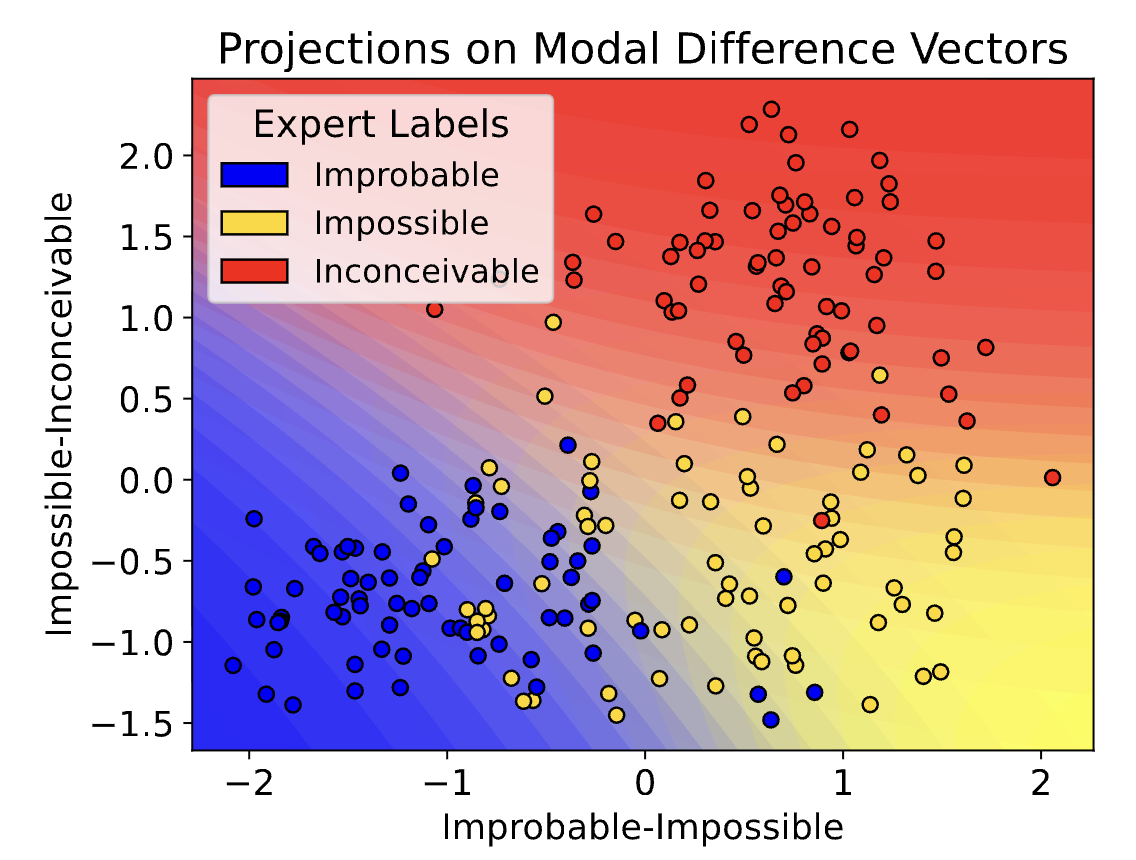
Is This Just Fantasy? Language Model Representations Reflect Human Judgments of Event Plausibility
Can language models distinguish the possible from the impossible?
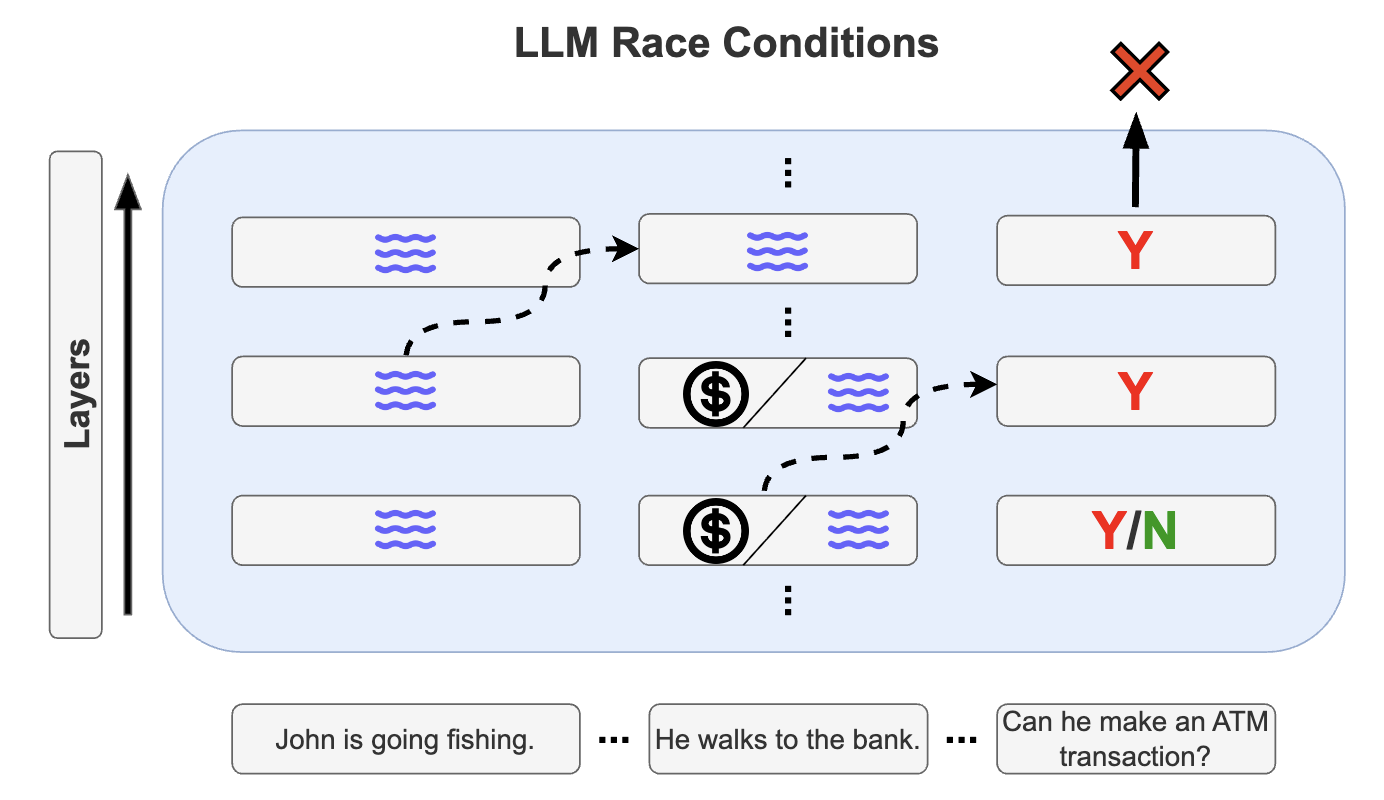
Racing Thoughts: Explaining Contextualization Errors in Large Language Models
Language models are usually great at incorporating context — but not always. What causes contextualization errors?
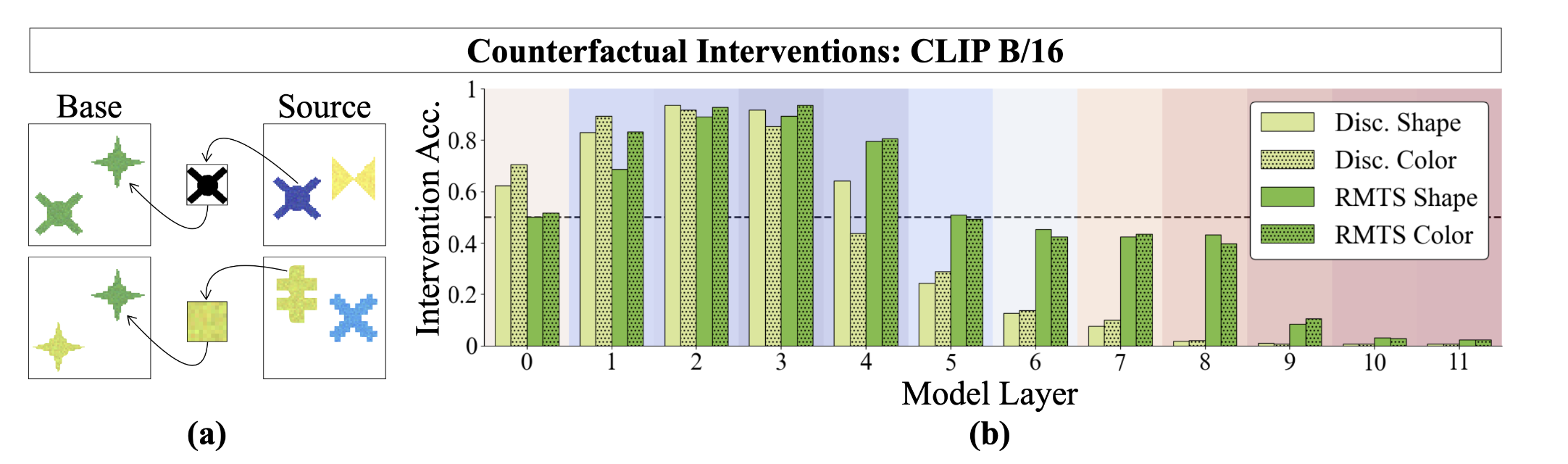
Beyond the Doors of Perception: Vision Transformers Represent Relations Between Objects
How do vision transformers solve a simple symbolic visual reasoning task?
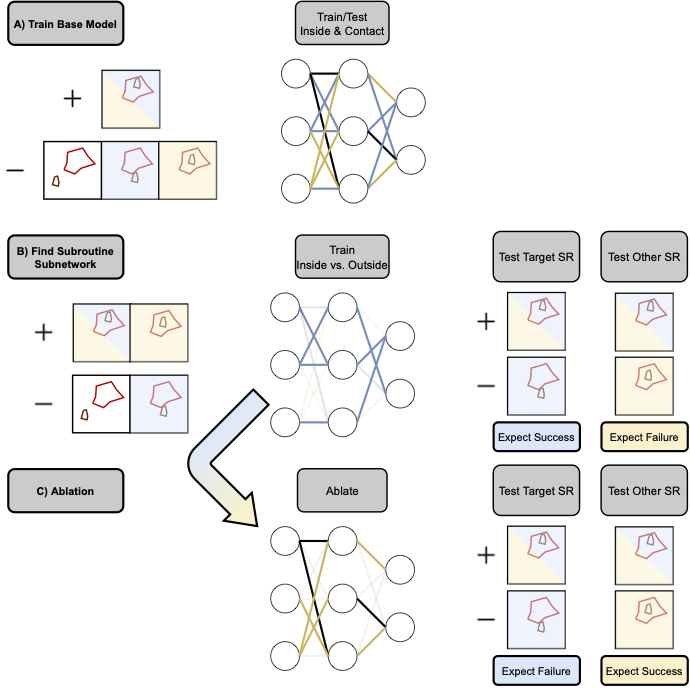
Break It Down: Evidence for Structural Compositionality in Neural Networks
Do neural networks self-organize into modular components when solving compositional tasks?